
SpreadsheetEssential
How to use a Sugargoo spreadsheet
Search, compare and recheck live product links without treating a directory row as a guarantee.
8 min readRead guide →
Research-backed guides, dated catalogue analysis and real community haul reports for readers comparing Sugargoo spreadsheet finds, QC evidence and parcel decisions.
Open these first if you are new to spreadsheet links, QC checks or parcel planning.
Search, compare and recheck live product links without treating a directory row as a guarantee.
Match the order first, then inspect measurements, condition and category-specific details.
Compare actual and dimensional weight before using the current eligible route and packed parcel.
Separate directory, destination, account, listing and warehouse risk before acting.
Each topic starts with the strongest current resource. Dedicated archives will appear as each cluster grows.
Community posts show one buyer’s photos and reported outcome. Use them to improve your checklist, not as a guarantee.
Browse all seller shares →The newest reports, sorted by editorial priority. Every page includes its date, evidence scope and related research paths.
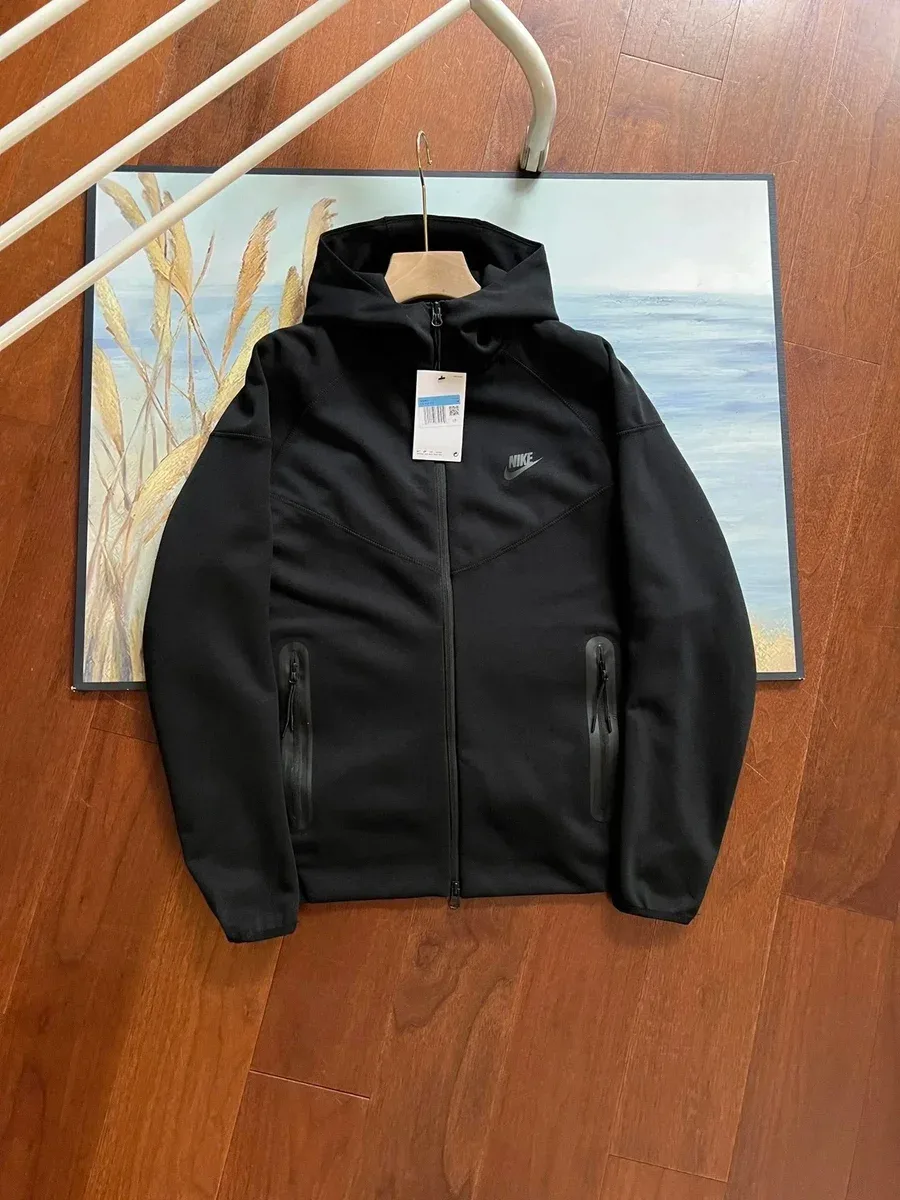
A transparent catalogue snapshot: what is available to browse, where the strongest evidence sits and which details still need a live recheck.
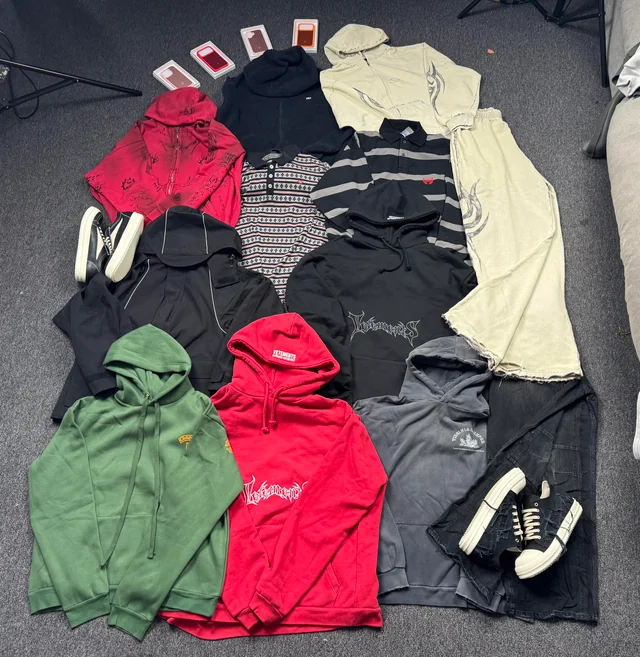
Seven community posts are more useful as a comparison set than as seven endorsements. Here is the pattern that survives across them.
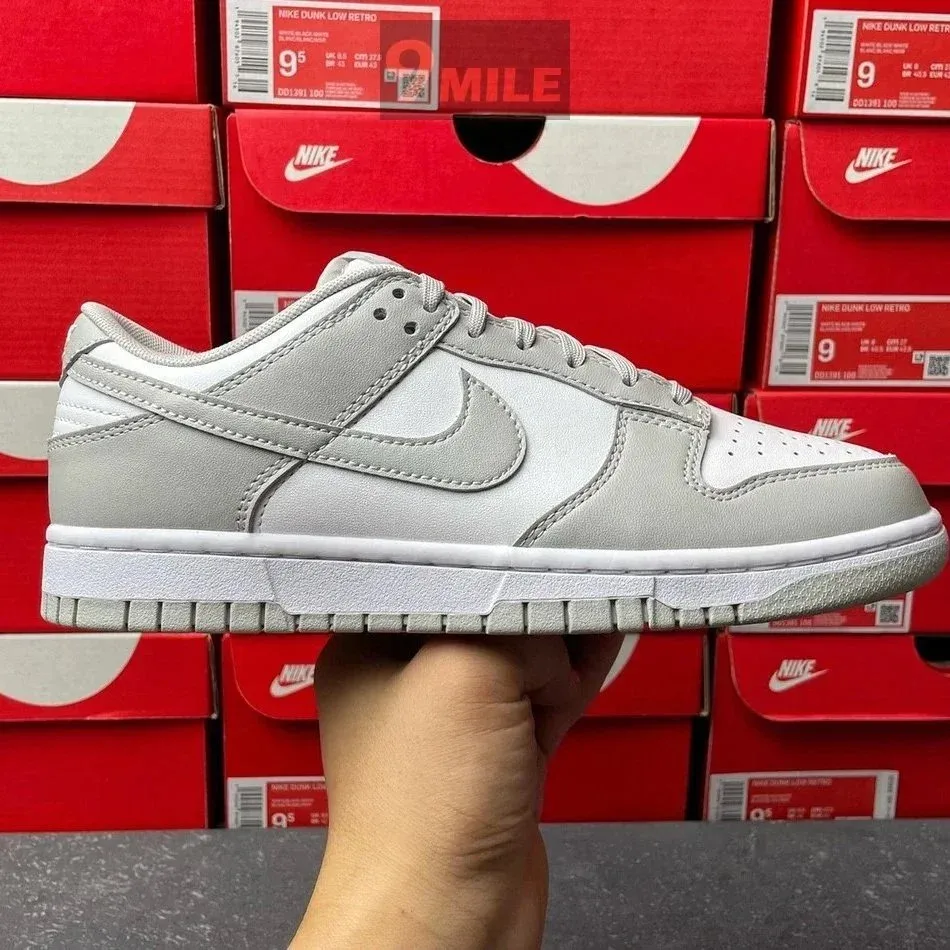
A catalogue-wide QC snapshot that separates the number of supported listings from the number of photos attached to them.
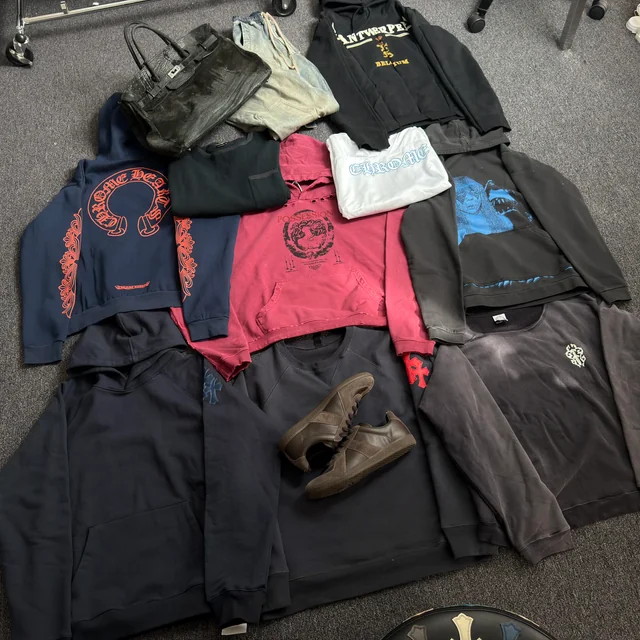
One detailed community report, separated into what the post documents, what it suggests and what it cannot predict for another parcel.
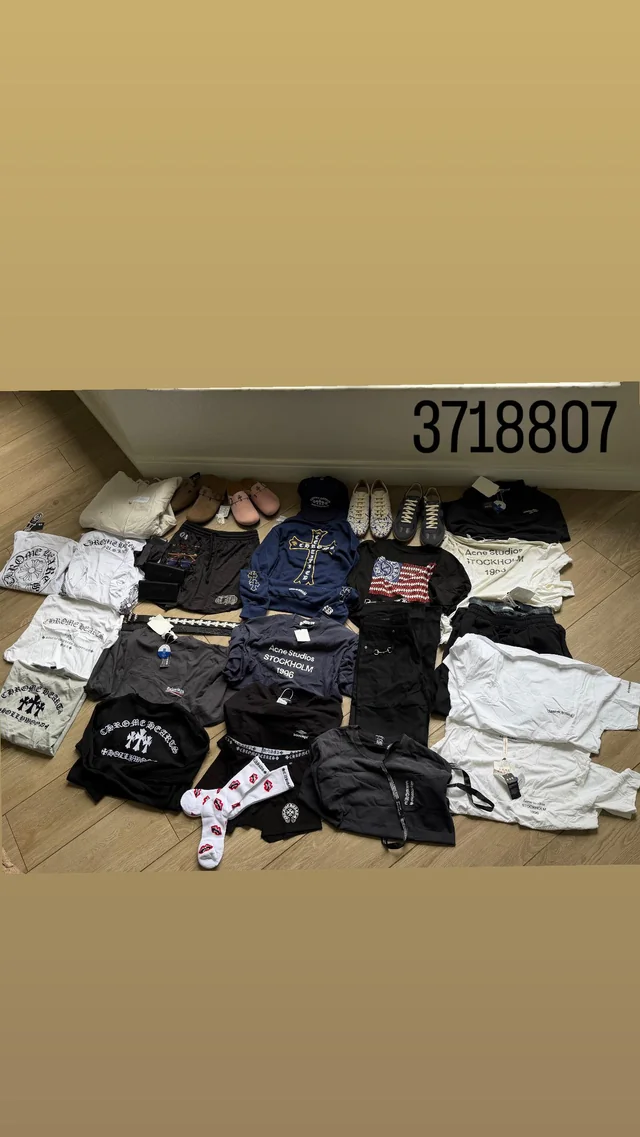
A US-focused workflow for getting a useful estimate, comparing eligible lines and avoiding the assumptions that make parcel budgets fail.
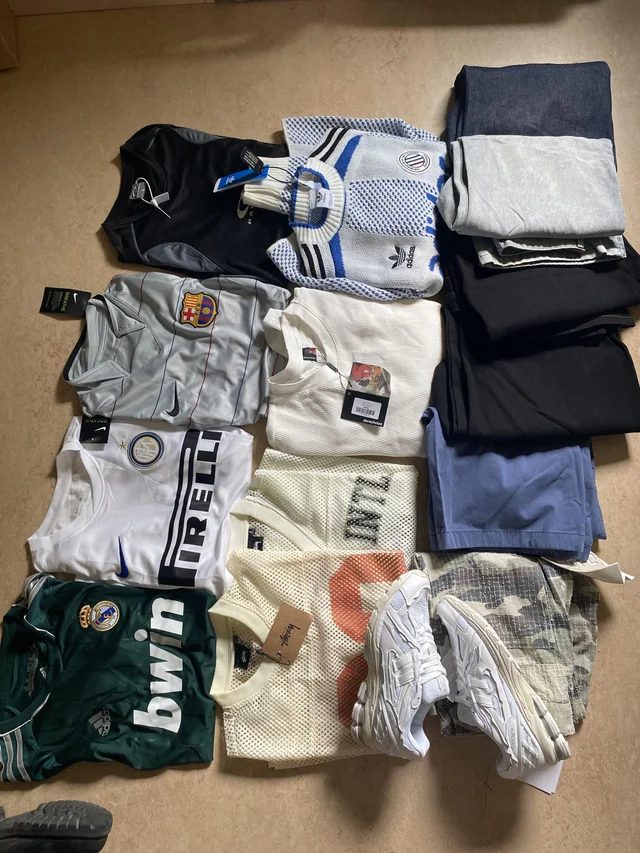
How to turn a rough UK quote into a defensible parcel decision without treating old route tables as live prices.
A practical Australia shipping workflow with one real haul for context—and clear boundaries around what that haul cannot predict.
A stage-by-stage timeline that helps you diagnose where a parcel is and why one buyer’s delivery time cannot predict another’s.
“Best” should mean best-supported for your decision—not simply the cheapest listing or the largest photo number.
A footwear-specific search workflow for narrowing listings before you risk the wrong size—or pay to ship an unnecessary box.