
What the evidence supports
For a useful US shipping estimate, enter the current destination, product type, weight and packed dimensions in the live estimator, then compare only the routes that accept the parcel. Recheck billing method, size limits, restricted-item rules, tracking and compensation before paying. A route name or price from an older guide is not a current quote.
Build the estimate around the parcel you will actually send
Start with the destination state, product category, estimated weight and realistic outer dimensions. The official Sugargoo estimator uses those inputs to return the routes available for that scenario. If the parcel does not yet exist, treat the result as a planning range rather than a checkout total.
A sneaker box, puffer jacket or reinforced carton can increase chargeable size without adding much scale weight. Compare actual and volumetric weight before deciding that one line is cheaper. The shipping-cost guide includes a simple dimensional-weight calculator for this step.
- Destination state or region
- Goods category and any sensitive-item label
- Estimated packed weight in grams
- Packed length, width and height
- Optional packing and protection services
Compare US routes by rules, not by the first price
The cheapest visible line is only relevant when the parcel meets its item, weight and size rules. Open the route detail and record the billing standard, maximum dimensions, eligible goods, tracking method, estimated transit window and compensation terms. Repeat that check for at least two realistic alternatives.
Official route examples published in 2025 and 2026 show that US options can differ by clothing eligibility, actual-versus-volumetric billing, weight limit and final-mile carrier. Those examples explain what to compare, but their names, prices and windows can change. Use the live result shown for your parcel on the day you submit it.
Use warehouse evidence before international submission
Confirm that every item, colour, size and quantity in the warehouse matches the order. Review the available inspection photos and request a measurement or close-up when the existing set does not answer a material question. Removing a box may reduce volume, but it also removes protection and packaging you may value.
After the item check, decide which orders belong together. Consolidation can reduce repeated base handling, while an oversized combined parcel can move into a less favourable billing tier. There is no universal “best haul weight”; compare the packed alternatives with the current route rules.
- Verify the exact item before paying international freight.
- Keep or remove retail packaging deliberately.
- Separate restricted goods when they limit otherwise suitable routes.
- Save the paid route name and parcel measurements for later tracking.
What this guide does not promise
No historical post can guarantee a US shipping price, delivery date, tax treatment or customs outcome. Published transit windows are estimates, and tracking can pause between hand-offs even while a parcel continues moving.
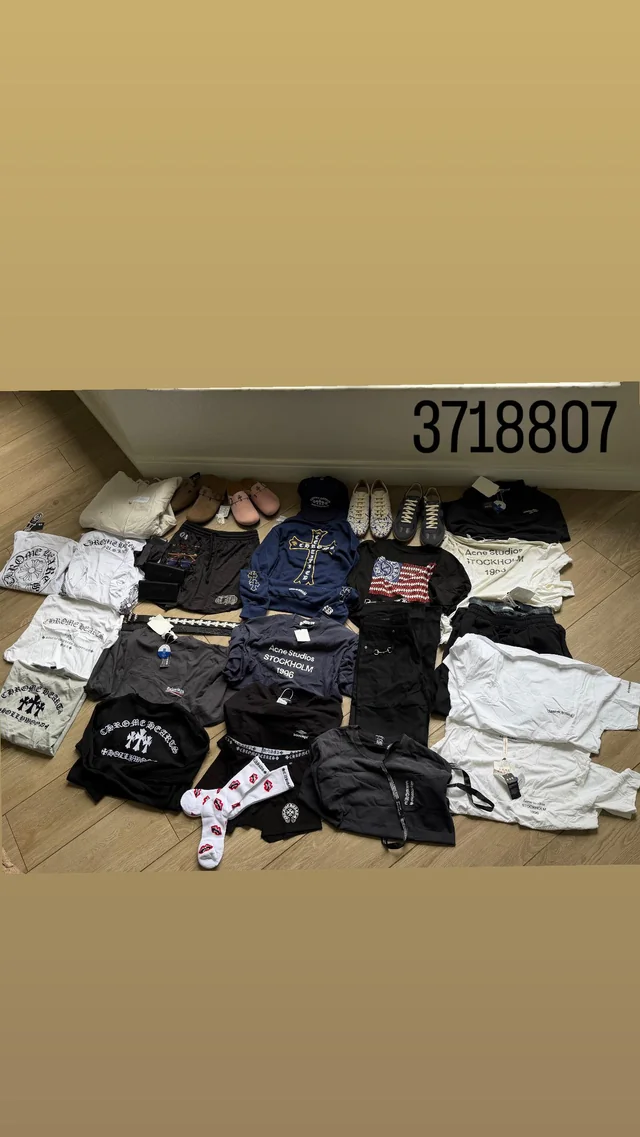
Use this page as a repeatable pre-payment checklist. For a real-world photo reference, open the 14kg USA community share; for current products, return to the searchable Sugargoo spreadsheet and build a shortlist before estimating the parcel.
What this report used
Sources are provided for context and independent checking. Community statements remain self-reported unless the article says otherwise.
- Sugargoo shipping fee estimation guideOfficial walkthrough of estimator inputs, route comparison and estimated-versus-final cost.↗
- Sugargoo pre-shipment simulation guideOfficial explanation of actual weight, volumetric weight and pre-packing simulation.↗
- Sugargoo USA route guideOfficial dated route examples; recheck all details in the live estimator.↗