
What the evidence supports
Sugargoo shipping has no single universal duration. Separate the timeline into seller-to-warehouse delivery, warehouse checks, parcel preparation, international line-haul, customs processing and final-mile delivery. The route page estimates only part of that journey, and each stage can change independently.
Start the clock at the right event
“Ordered” and “shipped internationally” are different events. First the seller dispatches within China. The item then reaches the warehouse for intake and inspection. Only after you select goods, packing and a route does the international parcel enter preparation and carrier hand-off.
When comparing reported delivery times, ask what the author measured. A six-day route result may exclude seller dispatch, storage and parcel preparation, while a three-week “order to door” report includes them. Without the start and end events, the number is not comparable.
- Seller processing and domestic delivery
- Warehouse intake and inspection
- Waiting or consolidation time
- Packing and route hand-off
- International transit and customs
- Last-mile carrier delivery
Use the route window for the international stage only
The live route detail gives an estimated transit range for the available line. It is useful for comparing options on the same day, but it should not be added to an assumed one-day warehouse process and presented as a guaranteed arrival date.
Route capacity, flight or vessel scheduling, peak shopping periods, weather, customs processing and the final carrier can all affect elapsed time. Record the estimate displayed at submission so you can distinguish a normal window from a later delay.
Read tracking by stage, not by anxiety
A tracking number may be created before the first carrier scan appears. Some international movements update in batches or become visible only after a hand-off. A quiet tracking page does not by itself prove that the parcel is lost.
Check the latest named event, its location, timestamp and carrier. If the parcel remains beyond the published route window, use the order and parcel records to contact the responsible support channel. Avoid repeatedly changing tracking sites without confirming the active carrier.
Plan with a range and a fallback
Do not build a time-sensitive event around the earliest day in a route estimate. Choose a route whose full range fits the need, leave buffer for the stages before carrier acceptance, and avoid submitting at the last possible moment during peak periods.
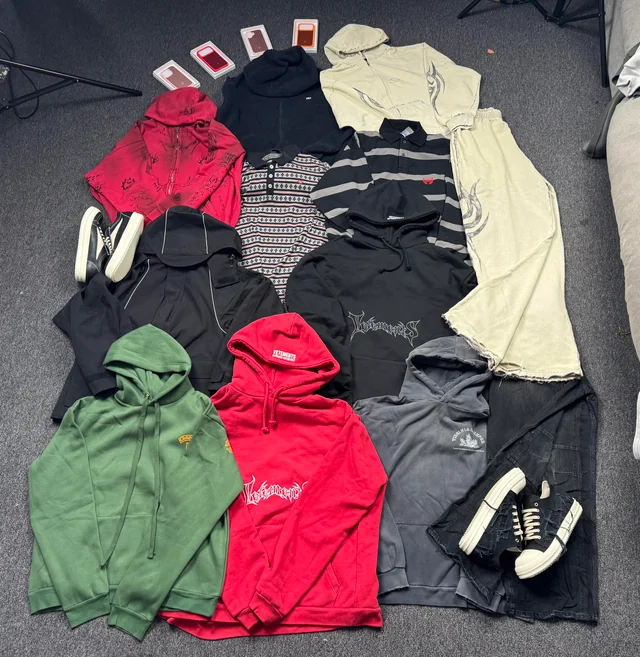
Community hauls on the Seller Shares page provide real outcomes with different evidence quality. Use them to understand possible journeys, then return to the live route data for the parcel you are actually sending.
What this report used
Sources are provided for context and independent checking. Community statements remain self-reported unless the article says otherwise.