
What the evidence supports
Estimate Australia shipping twice: once before buying to screen out uneconomic items, and again with warehouse weights and likely packed dimensions. Compare eligible live lines by chargeable weight, restrictions, transit estimate and protection. Use the 15kg Reddit haul as a case study only, not as a current rate or delivery promise.
Estimate early enough to change the basket
Australia-bound buyers should estimate bulky items before purchase, because parcel volume can erase an attractive product price. Use the destination, goods type, estimated weight and dimensions in the live calculator. If a single box dominates the estimate, decide whether the product is still worth adding before it reaches the warehouse.
After warehouse arrival, repeat the estimate with measured information. Compare the cost of one consolidated parcel with sensible splits if goods restrictions or parcel dimensions remove otherwise suitable routes. The aim is not the fewest parcels at any cost; it is the best valid configuration for the actual contents.
Separate the 15kg community result from your quote
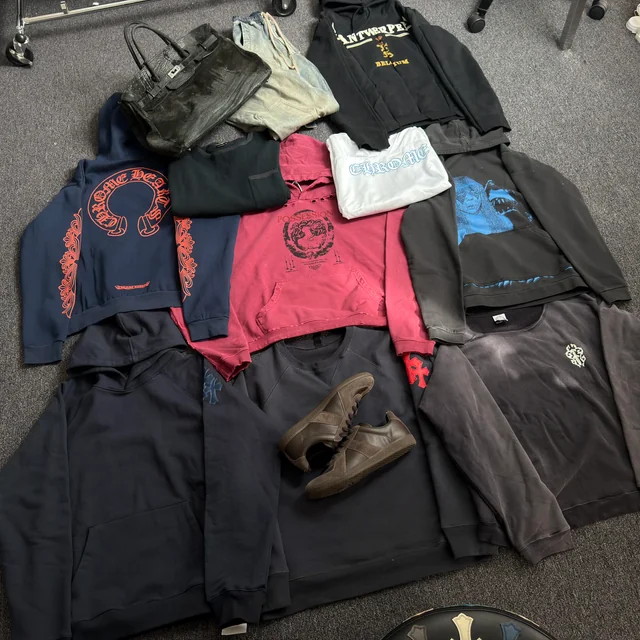
One Reddit author reported sending a 15kg haul to Australia with E-EMS for $170 and receiving it in six days. The post is useful because it includes parcel context and item-level notes. It does not reveal a current rate table, dimensional weight, every service selected or the conditions another parcel will meet.
Read the full 15kg Australia case study for the evidence and limitations. A real result helps you ask better questions; it should never replace a live estimator result for your state, contents and submission date.
Compare slow, balanced and fast options consistently
Official examples have shown Australia routes spanning economy sea, standard services and faster options. Compare them using the same parcel inputs and record the full delivered trade-off: estimated fee, published window, billing basis, item eligibility, tracking and compensation.
Do not assume the fastest published window is the fastest real outcome or that the lowest estimate is the lowest final cost. Packing changes, remote-area handling, peak periods, line capacity and customs processing can change the journey. Preserve the selected route terms when you pay.
- Use identical parcel inputs across routes.
- Check whether the line charges actual or volumetric weight.
- Confirm maximum weight and dimensions.
- Review restricted-goods rules.
- Treat every transit window as an estimate.
Inspect first, then pay to move it farther
International freight is the wrong moment to discover a size, colour or construction problem. Match the warehouse record to the order, review inspection photos and request measurements for fit-sensitive products. For catalogue research, prioritise records with visible evidence in the QC finder.
This page cannot guarantee price, delivery time, duties or customs clearance. Its purpose is to keep a changing route market and a fixed product shortlist in the correct order: discover, inspect, pack, compare, then submit.
What this report used
Sources are provided for context and independent checking. Community statements remain self-reported unless the article says otherwise.