
What the evidence supports
The strongest starting points in this snapshot are listings with a recorded QC set, a clear title, current image, price context and recent update signal. 40 listings carry a QC-photo count, but the number of photos is only a filter. Open the evidence and check whether it covers the exact variant and detail you care about.
Define “best” before sorting the directory
A useful shortlist is tied to a decision. If fit is the risk, measurements matter more than a polished thumbnail. If construction is the risk, close-ups and matching variant details matter. If shipping is the constraint, weight and packing volume may eliminate an otherwise attractive item.
Use the QC finder to start with records that carry an evidence signal. Then compare multiple listings inside the same product type. The badge means reference photos are recorded; it does not mean the item, seller or current batch has been independently approved.
Score evidence relevance, not just evidence quantity
First match the product name, colour, size and version. Then inspect whether the available views answer the question you came with. A large photo set loses value when it shows another colourway, hides measurements or repeats the same angle.
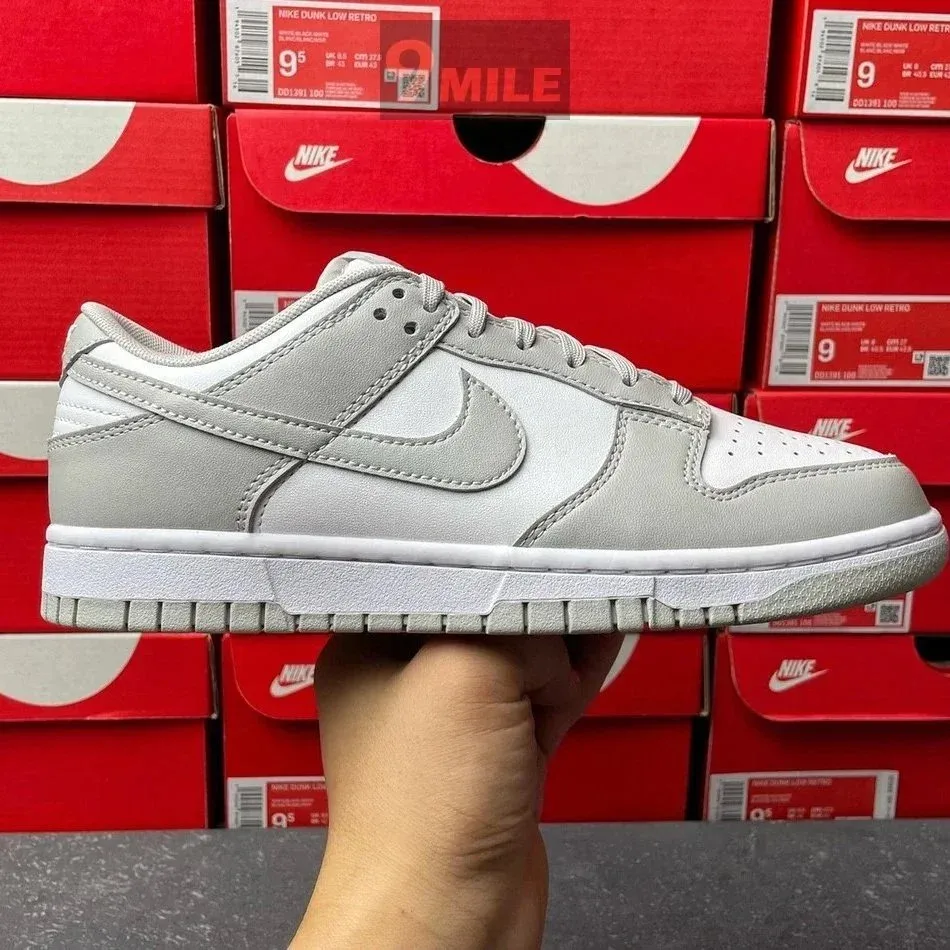
For clothing, prioritise garment measurements, collar or cuff construction, print placement and fabric context. For footwear, look for both shoes, heel alignment, outsole, size label and insole length. For bags, inspect dimensions, hardware, attachments, lining and corners.
- Exact variant match
- Useful angles and readable detail
- Measurements for fit-sensitive items
- Price and update context
- Current destination recheck
Use price as context, not proof
A lower displayed price can reflect a starting variant, deposit, accessory or outdated option. Open the destination and select the intended colour and size before comparing totals. Recheck domestic freight and availability at the same time.
When two candidates have similar evidence, the clearer option names and measurements may be more valuable than a small price difference. The spreadsheet guide explains how to preserve the exact destination and repeat the check before ordering.
Turn the shortlist into your own inspection request
Reference QC helps you decide what to inspect; your received warehouse item determines whether to ship. Write down the two or three details that could change your decision and confirm that your own photo set covers them.
If the evidence is missing, request the relevant measurement or angle instead of borrowing confidence from another listing. That evidence-first loop—shortlist, verify destination, inspect received item—is more durable than any static “best finds” ranking.
What this report used
Sources are provided for context and independent checking. Community statements remain self-reported unless the article says otherwise.