
What the evidence supports
The seven posts show that haul weight is a weak shortcut for review quality. The most useful shares combine photos with item-level notes, visible flaws and route context. Comment sections often contain the product links, while shipping price and delivery time remain single-user outcomes that should not be treated as forecasts.
The dataset is small, but the contrast is useful
This review covers the seven public posts collected on our Seller Shares page: two 8kg posts, one 10kg women’s haul, one 14kg USA haul, one 15kg Australia haul, one 20kg review and one photo-first gallery without a labelled parcel weight.
That is not enough evidence to estimate an average route cost or failure rate. It is enough to compare how community posts communicate evidence. The strongest entries explain what the poster noticed; the weakest require readers to infer everything from a gallery.
Weight does not predict how useful a review will be
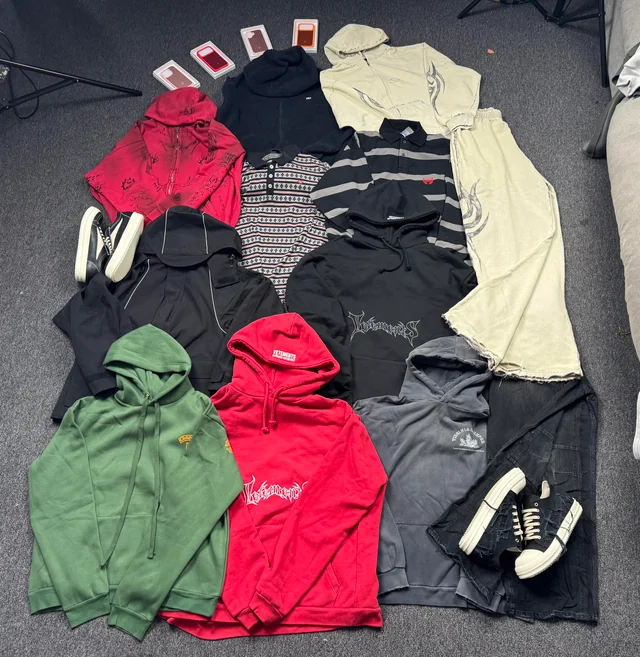
The 15kg Australia and 20kg posts stand out because the writers added item or batch notes and acknowledged visible flaws. Their value comes from the commentary, not the parcel size. One of the 8kg posts is mainly valuable because readers can request individual links in the comments, while the photo-first FashionReps post offers much less written context.
For research, ask three questions before relying on a haul: does it identify the exact item or batch, does it show the detail you care about, and does the author explain what happened after the photos were taken?
- Parcel weight describes scale, not evidence quality.
- Item-level notes are more transferable than an overall score.
- Visible criticism is often more useful than unexplained praise.
- A gallery can inspire a shortlist but cannot verify your order.
The comments are often part of the evidence
Several posts place product links in the comments or add them only after readers ask. That makes the thread more useful, but also more fragile: a deleted comment, expired listing or changed seller can break the trail. Preserve the full destination and verify it again instead of treating an old comment as a current recommendation.
The posting dates range from 2024 to 2026. Older threads can still be good visual references, especially for fit or construction questions, but their prices, links and stock status deserve more scepticism. The marketplace-link guide gives a repeatable way to recheck them.
Shipping reports are case studies, not rate cards
Only one post in this set gives a compact combination of route, cost and arrival time: the author of the 15kg Australia haul reported E-EMS, $170 and six days. That outcome belongs to one parcel at one time. Packed dimensions, chargeable weight, services, destination and route conditions can all change the result.
Use a community shipping result to identify the questions you should ask—not to predict your checkout total. Compare actual and dimensional weight, then use the measured parcel and current eligible route. Our shipping cost guide keeps those variables separate.
A better way to read the next haul post
Start with the photos, but do not stop there. Match each image to a named item, look for measurements and flaw notes, then read the comments for follow-up context. If the post gives a shipping result, record the route, destination, date and chargeable weight together.
Finally, treat the post as an outside source. It can improve your checklist, but it does not verify a seller or guarantee that the current listing is unchanged. That boundary is what makes community evidence genuinely useful.
What this report used
Sources are provided for context and independent checking. Community statements remain self-reported unless the article says otherwise.